
A building gets designed, engineered, and built with enormous attention to what happens inside it. The rooms, the circulation, the structural logic, the material choices- all of it receives careful thought. And then, in many cases, the space around it gets whatever is left over. Some grass. A row of shrubs along the boundary wall. A driveway that ends where the architecture does.
That afterthought approach to landscape is one of the most common and most costly oversights in architectural projects, and the results show up in ways that are hard to ignore once you know what you’re looking at.
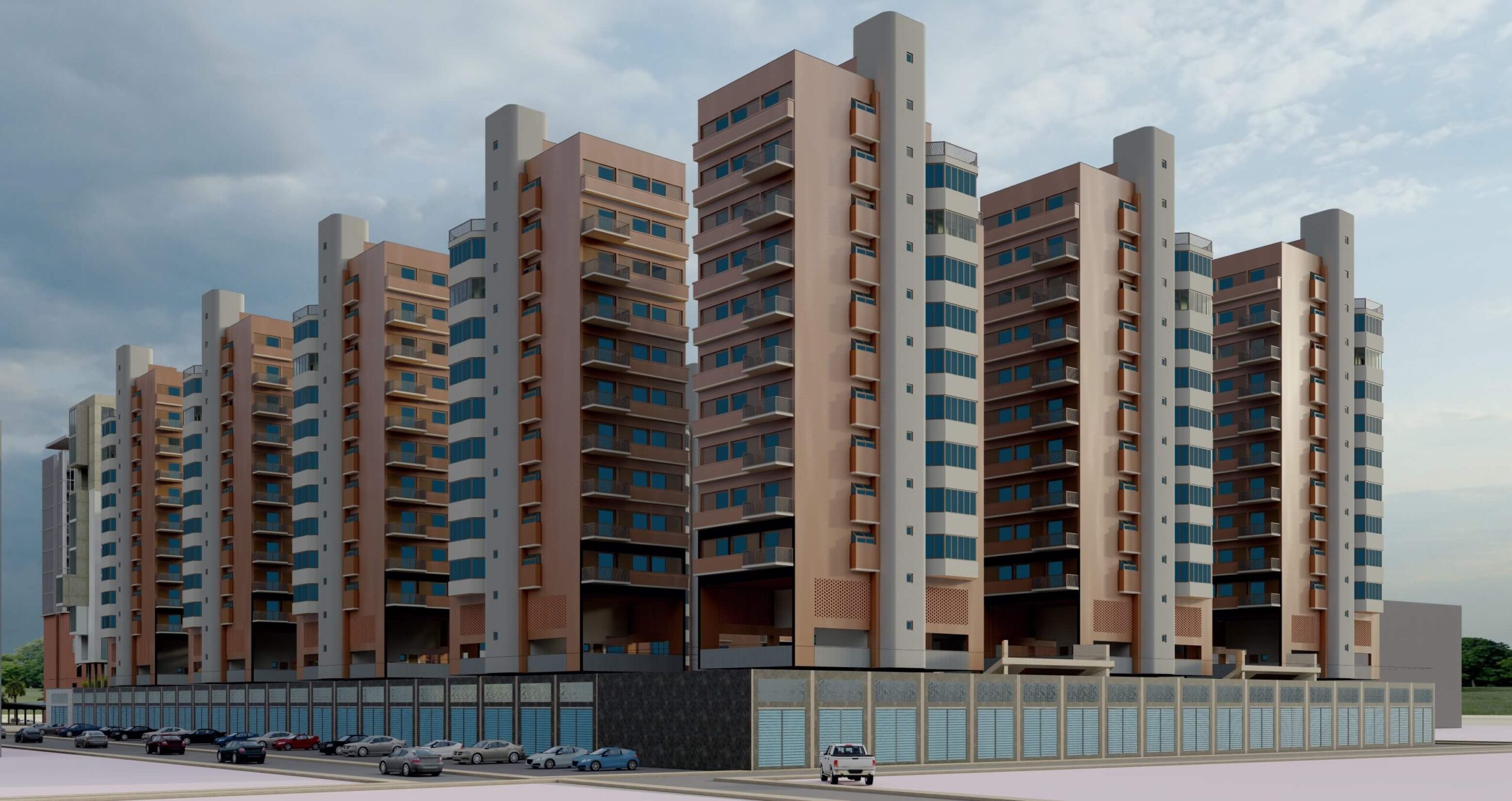
What Landscape Actually Does
The role of landscape in architectural design goes well beyond aesthetics. Landscape mediates between the building and its context, between the structure and the street, the private interior and the public world outside it. It shapes how a building is approached, how it’s experienced from a distance, and how the transition from outside to inside actually feels.
A building with considered landscape around it doesn’t announce itself in the same way as one that sits abruptly on a paved plot. The approach matters: the path, the planting, the way the ground level relates to the entrance. These elements build anticipation and frame the architecture before anyone has walked through a door.
The Connection Most Architects Miss
The role of landscape in architectural design is most powerful when it’s considered from the beginning, not added at the end once the building is finished. Architecture and landscape that have been designed together read differently from architecture and landscape that have been designed separately and then placed next to each other.
When they’re integrated from the start, the building’s orientation responds to the landscape. Window placements consider what’s being framed outside. Indoor-outdoor transitions are designed rather than just where the wall ends. The material language of the exterior carries through to the ground plane. The whole project reads as one considered thing rather than a structure surrounded by whatever was planted afterward.
Human Experience Is Shaped Outside, Not Just Inside
People spend time in buildings. But they arrive at them, leave them, and live around them in landscapes, and those experiences register in ways that are often felt more strongly than the interior, even if they’re harder to articulate.
The garden that invites you to sit in it. The entrance sequence that makes arriving somewhere feel considered. The courtyard that brings light and air into the center of a building. The street-facing planting that gives a neighborhood a character it wouldn’t otherwise have.
The role of landscape in architectural design is ultimately about human experience, how people feel in the spaces between and around buildings, not just inside them. Getting that right requires the same level of intentionality that the best architectural work brings to its interiors.
Conclusion
The space around a building isn’t leftover space. It’s an extension of the design, one that affects how the architecture is perceived, how the building performs environmentally, and how the people who use it experience the whole. Treating landscape as a afterthought produces environments that feel incomplete, regardless of how well the building itself is designed. Treating it as a design partner from the beginning produces something different entirely.
FAQs
1.At what stage of a project should landscape design be considered?
Ideally from the very beginning, at the same time as the architectural brief is being developed.
2.Does landscape design add meaningful value to a property in Pakistan?
Yes, both in terms of financial value and quality of life. Well-designed landscape increases a property’s market appeal, reduces energy costs through shading and microclimate management, and significantly improves the daily experience of living or working in the space.